
Best Business News TV: clear, practical guidance for readers
A practical, reader-focused guide to choosing and using business news TV. Clear comparisons, pitfalls to avoid, and actionable tips for staying informed.

This guide helps readers understand which business news TV sources best serve clear, reliable information. It explains how different formats affect understanding, and what to watch for when evaluating coverage. You will learn to compare feeds, assess credibility, and pick a channel that fits your information needs.
The approach stays practical: identify your goals, look for plain language explanations, and check for corroboration across outlets. The guide also warns against sensationalism and highlights concrete steps to verify breaking news. You’ll leave with a clear method for selecting and following business news TV content.
This article is written for readers who want quick, accurate updates and deeper context when needed. It emphasizes straightforward reporting, transparent sourcing, and practical tools to track market-moving stories. By the end, you’ll have a reliable framework to evaluate any business news TV source.
- Choose business TV news that balances speed and accuracy with clear explanations.
- Verify data and sources, and seek corroboration across outlets.
- Use a mix of live updates and deeper analysis to inform decisions.
- Develop a simple watching routine to stay informed without overload.
Basics of Business TV news
What counts as business TV news
Business TV news focuses on markets, corporate developments, and economic policy with real-time updates. It prioritizes clarity and speed, but still explains why events matter. Expect brief explainers paired with live reporting and data-driven graphics.
- Decide your focus: markets, economy, or corporate news.
- Match the program to your time: shorter updates vs. deep dives.
- Compare two outlets for the same story before forming an opinion.
- Keep a runners’ list of questions you want answered after each report.
This section helps readers recognize formats, such as nightly summaries and daytime market desks, so they know what to expect when tuning in. It also contrasts general business coverage with specialized channels. The goal is to identify coverage that translates complex moves into actionable understanding.
Understanding the newsroom cadence helps you plan what to watch. Look for accuracy in headlines, and notice when a show pauses for context rather than rushing a claim.
- Look for clear sourcing
- Note whether data is labeled
- Watch for corroboration across outlets
- Check for context in breaking news
Choosing the right channel
Different channels serve different aims. Some prioritize daily market summaries; others emphasize policy and global economics. Your choice depends on whether you seek quick updates or longer, explanatory pieces.
Consider your schedule and preferred depth. If you need speed for trading decisions, a concise desk report may work; for long-term planning, a program with experts breaking down implications is better.
Evaluate the channel’s transparency: do they explain their data sources and methods, or rely on unnamed analysts? A clear practice of attribution builds trust.
- Conciseness vs. depth balance
- Data-driven explanations
- Transparent sourcing
- Editorial independence
How to assess credibility

Evidence used on air
Good reports cite verifiable data, official statements, and on-record sources. They pause to show charts or documents when possible. See if figures are labeled and if methodology is explained. post your event in the USA helps organizers coordinate coverage during local business milestones.
- Identify the primary sources cited.
- Check if data visuals include captions or notes.
- Note if the segment acknowledges uncertainty.
When numbers appear, ask whether they come from recognized institutions or directly from companies and officials. If data is unnamed, that signals the need for caution and further verification.
Credibility grows when a program acknowledges limits or uncertainties rather than presenting every claim as fact. This honesty helps viewers judge what to trust.
- Source clarity
- Data labeling
- On-record quotes
- Methodology transparency
Handling breaking news
Breaking news requires quick updates and careful verification. A reputable program balances speed with checks, avoiding unverified breakthroughs. Track how swiftly they revise initial claims as facts emerge.
Look for multiple confirmations and cited documents before accepting a claim as settled. If a story lacks sources, that’s a warning sign.
Develop a habit of waiting for a second report or follow-up piece before acting on a major claim. The initial rush often fades with time.
- Speed with checks
- Multiple confirmations
- Follow-up reporting
- Cautious interpretation
Options for how to watch
Live desk vs. in-depth specials
Live desk coverage focuses on current movements and quick context. It’s useful for immediate decisions and market awareness. Expect brief summaries and live reactions from reporters on the ground. get your business listed in the USA improves visibility for small firms seeking media attention.
- Use live desk for rapid updates during busy hours.
- Turn to specials when preparing for decisions or long-term planning.
- Schedule time to watch both types to balance speed and understanding.
- Take notes on key takeaways and data sources.
In-depth specials probe causes and implications, with expert guests and broader context. These programs are better for understanding longer-term trends and policy effects.
Choose based on your goal: fast situational awareness or deeper analysis that connects dots over time.
| Format | Pros | Cons |
|---|---|---|
| Live desk | Fast updates, real-time relevance | Limited context and potential for errors |
| In-depth specials | Deep context, expert insight | Longer time to digest, less frequent |
| News summaries | Concise, easy to scan | May skip nuances and sources |
How to use graphics and data
Visuals help you grasp trends quickly, but they require careful interpretation. Learn what axes, baselines, and units represent before acting on a chart. Look for clear captions and explained abbreviations.
Treat graphics as prompts, not conclusions. Cross-check with the accompanying narration and consider seeking the underlying data separately.
If a chart raises questions, pause the screen and read the on-screen notes, then compare with another outlet’s presentation of the same data.
- Interpret axes and baselines
- Rely on captions
- Cross-check data
- Compare sources
Ignore overstatements about market doom or immediate breakthroughs unless supported by data and credible sourcing.
Pitfalls to avoid

Sensationalism and hype
Some programs frame stories with dramatic language to attract attention. This can distort urgency or importance. Look past headlines to assess what actually happened and why it matters. buy and sell in the USA informs traders and consumers about marketplace activity and regulations.
Ignore overstatements about market doom or immediate breakthroughs unless supported by data and credible sourcing.
Always verify if the segment acknowledges uncertainty or presents multiple viewpoints.
- Watch for sensational language
- Check for data support
- Seek multiple viewpoints
Overreliance on single sources
Relying on one official or one company can skew understanding. Diversify your sources to capture different angles and mitigate bias. Cross-check with independent experts or alternative data sets.
Be wary of outlets that consistently repeat the same talking points without presenting counterarguments. This reduces trust in the coverage.
Cultivate a habit of comparing two or three outlets for the same topic before forming a conclusion.
- Diversify sources
- Look for counterpoints
- Cross-check data
- Develop a routine
How these choices affect newsroom readers
Reader impact through presentation
The way audiences access business TV shapes how they interpret markets and corporate moves. Clear pacing and reliable anchors help readers form timely judgments about events as they unfold. When viewers see rigorous sourcing on screen, readers translate it into confident, instead of frantic, questions. announce a death in the USA
Concrete examples include how segment length affects comprehension of earnings news and how visual aids highlight key numbers. Readers benefit when important facts are reiterated and cross-checked across segments. This reduces confusion during volatile days in the markets and corporate headlines.
In practice, newsrooms should tailor on-air graphics to reinforce what the article already conveys, avoiding contradictory captions or oversimplified charts. The goal is alignment between TV reporting and written coverage so readers can trust the narrative across formats. Consistency builds steadier audience trust during breaking events.
- Align TV pacing with article summaries
- Use on-screen graphics to reinforce numbers
- Cross-check facts between TV and print
Legal and ethical considerations for TV news

Compliance and source protection
Legal compliance shapes what can be shown and said on business TV, including privacy rules and defamation standards. Newsrooms must verify statements with multiple sources before broadcasting accusations or sensitive data. Ethical practices restrict sensationalism that could mislead investors or workers.
Real-world practice includes vetting quarterly figures against company filings and avoiding speculative language about private individuals. When unsure, airing a cautionary note and delaying a claim supports accuracy over speed. This restraint protects readers and the outlet alike.
The newsroom should document sources and decisions for each broadcast, making it easier to revisit coverage if questions arise. Clear notes help editors defend whether a claim meets standards of substantiation. Legal checks should be routine, not optional.
- Verify figures against public records
- Avoid unverified hyperlinks or quotes
- Keep privacy and defamation risk in view
Integrating TV with other news formats
Aligning TV with digital reports
TV reporting should complement online articles, dashboards, and podcasts rather than duplicate them. Use concise on-air summaries that point readers to deeper online explanations. This helps readers decide which format fits their time and interest.
In practice, writers should translate TV findings into longer written analyses, while TV teams pull compelling data visuals from the same primary sources. Cross-format storytelling ensures consistency and reduces reader fatigue when markets move quickly.
A practical approach is to publish a quick on-air recap with a link to a detailed explainer and a data appendix for those who want to verify numbers. The newsroom benefits from a unified set of data points across all channels, which reduces contradictions.
Future formats in business TV
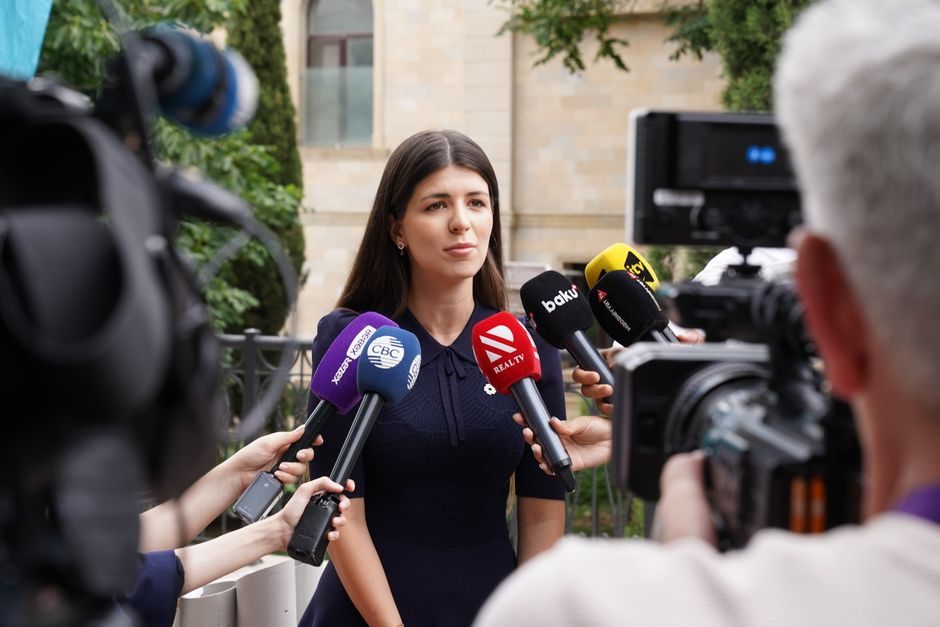
Emerging presentation styles
Business TV is evolving toward more immersive formats that blend data visualization with narrative storytelling. Viewers expect clear explainers for complex concepts like mergers, regulatory changes, and macro shifts. The right mix of animation and concise voiceover can make difficult topics accessible without oversimplification.
As formats change, the newsroom should keep an eye on accessibility, ensuring captions, transcripts, and mobile-friendly versions accompany video. This helps readers who rely on sound-off consumption or who have limited bandwidth.
New presentation styles also demand stronger ethical guardrails as synthetic media becomes more common. Fact-checking workflows must adapt to verify visuals and narrated claims alike, maintaining trust with readers.
- Experiment with modular segments
- Expand captioned and transcript options
- Strengthen verification for visuals
Frequently asked questions
How should I validate a business TV claim quickly?Look for the named data source on screen, then compare it with the corresponding public filings or official releases. If the numbers aren’t sourced or verifiable, treat the claim with caution and seek additional coverage from other outlets.
What formats best match a busy reader’s needs?Short on-air summaries paired with longer online explainers work well. A quick video recap helps catch up, while a detailed article or data appendix provides depth for deeper understanding.
How can I tell if a segment is biased?Assess whether the segment presents multiple perspectives, cites independent sources, and avoids over-reliance on a single executive's view. Balanced framing reduces the chance of skewed conclusions.
What role does data visualization play?Visuals should clarify, not obscure. Look for labeled axes, transparent data sources, and consistent scales across segments to prevent misinterpretation.
Conclusion
Readers benefit when business TV works in tandem with written coverage, offering quick context and the option to dive deeper. Clear sourcing and reliable visuals help form a grounded view of market movements.
A thoughtful mix of formats supports a reader’s ability to verify claims, compare data points, and stay informed through fast-moving headlines. The next step is to identify trusted sources and use cross-format checks to maintain a consistent understanding of ongoing stories.
Add Las Vegas News as a preferred source on Google


