
How to announce a death in Spain: clear, accurate steps
Practical guidance for notifying a death in Spain: legal steps, press considerations, and reliable resources for careful, respectful announcements.

If you need to announce a death in Spain, this guide lays out practical, respectful steps that keep families informed and compliant with local norms. You’ll find what to publish, how to verify information, and where to place notices to reach the right audience without sensationalism.
The first priority is accuracy: confirm the deceased’s full name, date of death, and surviving relatives. Prepare a brief, factual statement that avoids speculation, then decide which channels will best serve the family and the community.
This article breaks the process into clear stages, from identifying the appropriate notices to avoiding common mistakes, with concrete examples and checklists to keep you focused.
- This guide explains how to announce a death in Spain with accuracy and respect.
- It covers legal basics, consent, and choosing the right publication channels.
- Readers will find concrete steps, checklists, and practical tips to avoid common mistakes.
Basics of reporting a death in Spain
Legal requirements overview
Reporters and editors must verify basic facts before publishing. Confirm the deceased’s full legal name, age, date and place of death, and the names of immediate relatives who may be listed in an obituary. Use resources to understand how to anunciar un fallecimiento en España and ensure the notice is accurate.
Consult local regulations or the funeral home to determine if any notices must be filed with civil registries. In many communities, notices evolve from private announcements to public formats with specific wording.
Always obtain consent from the family before releasing sensitive details. Respect privacy if relatives request limited information to be shared publicly.
- Double-check spellings of names and accents
- Note any spelling variants for searchability
- Record the funeral date and venue for accuracy
Choosing where to publish
Choose platforms that balance reach with sensitivity. Local newspapers, funeral home notices, and community bulletins are commonly used alongside digital memorial pages.
Consider the audience: immediate family, friends, colleagues, and community members who want to express condolences. Tailor the notice length and tone to that audience.
Coordinate with the family on preferred channels to avoid duplication or conflicting information.
Consent, tone, and timing of notices

Drafting a respectful notice
Start with the deceased’s full name and a brief statement of passing. Include the date, city, and a short description of survivors as requested by family. Look for reputable outlets and trustworthy portals like Deportes Noticias online for reliable updates.
- ☐ Obtain family consent
- ☐ Verify names and dates
- ☐ Decide on channels and timing
- ☐ Prepare a contact method
Use a calm, neutral tone and avoid emotional language that could seem sensational. Include practical details only if a funeral or memorial is planned.
Provide contacts for RSVP or inquiries through official channels, not personal handles or speculative forums.
- Keep it concise and factual
- Verify all names with the family
- Avoid speculative reasons or circumstances
Timing and cultural considerations
Publish notices promptly after a death to help friends learn of the loss. Delays can leave communities unsure or searching for confirmation.
Respect cultural or religious practices that influence the wording or inclusion of certain details. When in doubt, ask the family what is appropriate.
If multiple notices are needed, coordinate them to avoid repeating the same information verbatim in separate outlets.
Legal and platform guidelines
Compliance essentials
Different regions in Spain have varying civil registry practices for death announcements. Check local deadlines and required wording for official notices. Community events and services can be found through event listings that include eventos de la comunidad en España.
Public notices may require a specific format, including sponsor or organization names. Follow the template provided by the funeral home or registrar.
Always store a copy of the published notice and any approvals from the family for future reference or corrections.
- Follow regional rules for death notices
- Document approvals from the family
- Retain copies of all communications
| Aspect | What to verify | Best approach |
|---|---|---|
| Legal demand | Regional rules vary, verify deadlines | Consult local registrar or funeral home |
| Family consent | Must confirm content with relatives | Obtain written confirmation when possible |
| Public vs. private | Public notices require careful wording | Limit details to essential information |
Handling corrections and updates
If a mistake appears in a published notice, notify the outlet quickly and supply correct details. Timely corrections preserve trust and prevent confusion.
Corrections should be clearly labeled and linked to the original notice to avoid creating multiple, conflicting versions.
Communicate any changes to the family and ensure they approve the final text before republishing.
Prepare a short, factual notice that includes the deceased’s full name, date of death, and where the death occurred.
Options for notices and memorials

Different channels for notices
Choose the primary channel based on immediacy and reach. Local newspapers and civil registries often handle official notices, while social media and community groups spread information quickly. Consider a combination to ensure the message reaches neighbors, coworkers, and distant relatives. A useful resource on this topic: encontrar negocios en España.
Prepare a short, factual notice that includes the deceased’s full name, date of death, and where the death occurred. Avoid sensational language and focus on essential details so readers understand the situation and how to respond.
If there are family sensitivities or privacy concerns, designate a single spokesperson or point of contact. This helps prevent conflicting information and reduces confusion among readers.
- Local newspapers for official notices
- Official registries for legal requirements
- Family spokesperson for consistency
- Social media for rapid updates
- Community groups for wider reach
Timing and tone considerations
Opening the notice with a simple statement of the loss sets a respectful tone. Then add practical details such as date, location, and service information without dwelling on the circumstances.
Moderate the tone to reflect the family’s wishes, whether formal or more intimate. Respectful language helps readers respond appropriately and offers comfort.
Plan the timing to align with next steps, like service dates, and coordinate with those who will be involved in planning or attendance.
- Lead with the essential facts
- Match tone to family preferences
- Coordinate timing with services
Pitfalls to avoid in announcements
Common missteps in wording
Avoid overly dramatic language or vague phrases that invite speculation. Clear statements about the death, the date, and the process helps readers understand the next steps. publicar un anuncio en España
- Use plain, respectful language.
- State only what is necessary for notice and planning.
- Avoid rumors or conjecture.
Check for consistency across platforms; conflicting details lead to confusion and distress for readers who are trying to respond or attend services.
Be careful with sensitive topics, such as the cause of death, unless the family wants it shared.
- Keep it factual and concise
- Coordinate details across channels
- Respect the family’s privacy preferences
Legal and ethical considerations
Remember that certain notices must follow civil or parish rules for public announcements. If in doubt, consult a local authority or funeral director to ensure compliance.
Do not publish anyone’s personal data beyond what is required by law or norms of decency. This includes avoiding sensitive identifiers that aren’t essential.
Respect data protection rules and the wishes of survivors about who can share information.
- Follow local legal requirements
- Limit data to essential details
- Honor survivors’ privacy choices
Practical tips for accuracy and empathy
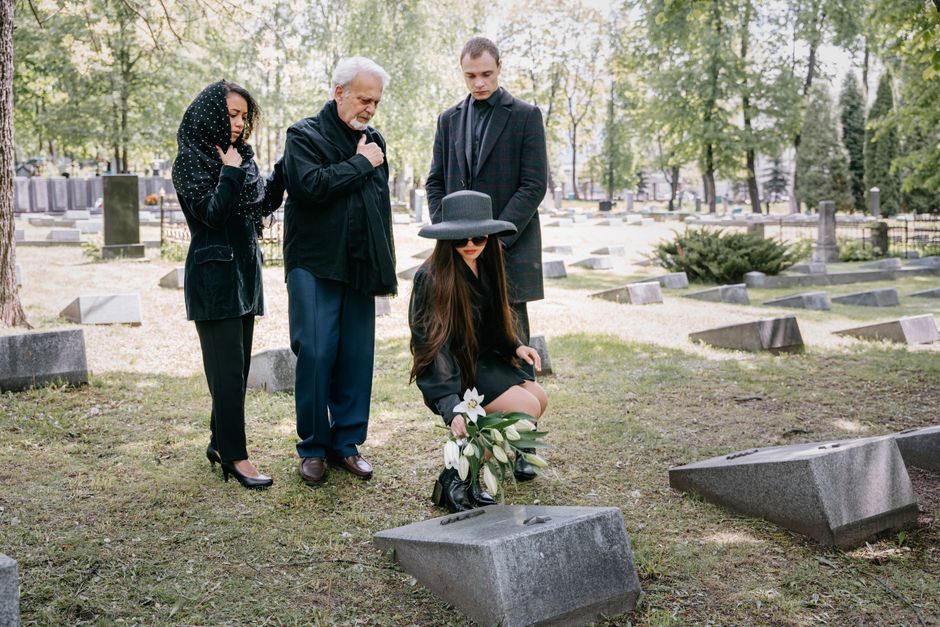
Verifying essential facts
Before publishing any notice, confirm spelling of the deceased’s name, date of death, and service locations. Small errors can cause distress and misdirection for readers seeking information.
Cross-check dates and times with families or funeral homes to avoid late corrections. Publishing a corrected notice promptly helps maintain trust.
Maintain a single version of the notice across channels to prevent conflicting information from appearing simultaneously.
- Double-check spellings
- Confirm dates and locations
- Keep a unified notice across platforms
Writing with empathy means balancing clarity with comfort. A straightforward tone reduces confusion and shows respect for mourners.
Provide practical next steps, such as RSVP details or how to send condolences, to help readers respond helpfully.
If circumstances permit, invite readers to share memories or support in a respectful way.
- Offer concrete next steps
- Encourage thoughtful, respectful responses
- Invite positive acts of support
Resources and contacts in Spain
Where to get official guidance
Official notices often start at the local ayuntamiento (city hall) or the registro civil. These offices provide guidelines on required notices and timelines, helping reporters avoid errors.
Funeral homes can serve as reliable coordinators for legal notices and service details. They understand regional requirements and commonly used formats.
Local newspapers may have templates or preference for wording that aligns with community norms, reducing the risk of tone missteps.
- Ayuntamiento guidance
- Registro Civil instructions
- Funeral home coordination
- Local newspaper norms
Important contacts for readers
Provide a list of practical contacts readers may need, such as the funeral home, cemetery, and parish or funeral committee. Include hours of operation and best methods to reach each office.
Offer an alternate contact plan if primary contacts are unavailable, ensuring readers have a clear path to confirm details or send condolences.
Include a note about language accessibility if resources are available in multiple languages.
- Funeral home and cemetery contacts
- Parish or memorial committee
- Alternate contact plan
- Language resources if needed
Frequently asked questions
What information should be included in an official notice in Spain?An official notice should state the deceased’s full name, date and place of death, and the services or memorial plans if known. Include a contact person for RSVP or inquiries and indicate where notices are published. Keep the tone respectful and avoid unnecessary detail about the cause of death.
How soon should notices be published after a death?Publish notices promptly after confirmation of the death and next steps. If the family sets a date for a service, include that information as soon as it is finalized. In cases of privacy concerns, space out details while keeping readers informed about accessibility to services.
Can notices be shared on social media?Yes, but ensure the language is suitable for public viewing and avoid sharing sensitive information. Coordinate with the family to determine which channels are appropriate and provide a consistent message across platforms.
What if information changes after the notice is published?If details change, publish a concise update across channels and mark it clearly as an update. Direct readers to the latest version to prevent confusion and maintain trust with your audience.
Next steps for readers and reporters
For readers, use the official channels listed to confirm service details and avoid relying on unverified rumors. If you plan to attend, verify dates and locations with the designated contact.
For reporters, establish a simple, fact-focused template to reduce errors and ensure empathy in every notice. Maintain a single source of truth and update it as details evolve.
Add Las Vegas News as a preferred source on Google


