
How to cover advocaat in Zwolle: a practical guide for readers
Clear steps for reporting on advocaat in Zwolle, with sources, context and local angles. Practical tips for accuracy and balanced coverage.

New readers often wonder how to approach stories about traditional foods and local establishments, especially in smaller cities. This guide explains how to report on advocaat in Zwolle with accuracy, balance, and clear context. It shows practical steps for sourcing, framing, and documenting a local specialty in a news article.
First, identify what makes this topic timely for readers: cultural relevance, local economy, or regulatory changes. Then, outline the expected impact on residents and visitors, avoiding hype. Finally, plan how to present differing viewpoints and reliable data to build trust.
This article uses Zwolle as a case to illustrate careful reporting rather than sensationalism. It provides concrete methods, from corroborating details to explaining the product’s history and regional variants. By following these steps, reporters can deliver useful, fact-based stories that inform readers without bias.
- Start with a clear local angle that makes the topic newsworthy.
- Explain production basics and how distribution works to inform readers.
- Identify credible sources and follow ethical reporting practices for accuracy.
- Offer concrete steps and a balanced view without relying on hype.
Basics of reporting on a local specialty
Define the local angle
Start with the core question: why is advocaat in Zwolle newsworthy today? Frame it around community tradition, tourism, or regulatory changes that affect production. Include at least one local source to ground the story in the city context.
- Describe Zwolle’s role in advocaat production
- Explain any city-specific rules or events
- Summarize how locals engage with the drink
- Provide one concrete example of a Zwolle venue or producer
Compare Zwolle to other Dutch cities to highlight what is unique here, such as ingredients, production methods, or consumer interest. This helps readers understand regional variation and relevance beyond a single item.
Outline the scope of the piece early: what you will cover (history, production, consumer impact) and what you will not (unrelated culinary trends, unrelated claims).
- Identify a clear local source
- Note what makes Zwolle distinct
- Set boundaries for coverage
Key questions for sources
List the essential questions to ask sources: history, ingredients, process, distribution, and regulation. Prepare follow-ups to verify claims. Always seek a second source for any controversial point.
Prioritize representatives of different perspectives: producers, regulators, consumers, and local historians. This ensures balanced coverage and reduces bias.
End interviews with a recap of facts and a note on what remains uncertain, so readers see the limits of the report and what to watch for next.
- What is traditional about advocaat here?
- Who regulates its production?
- How do locals consume it most often?
- What changes are expected in the near future?
How advocaat is made and distributed
Production basics
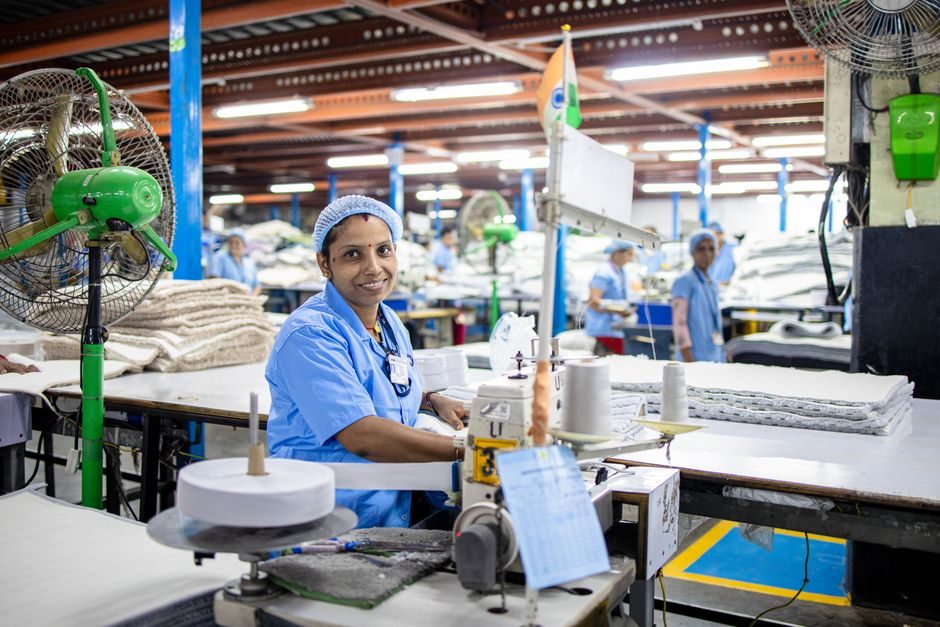
Explain the general process of advocaat, focusing on Zwolle producers if possible. Describe ingredients, aging, and bottling steps in plain terms. Give readers a sense of how a batch becomes a bottle on a shelf. Utrechts nieuws provides broader regional framing that can complement Zwolle reporting.
- ☐ Wash and prepare ingredients
- ☐ Blend base with eggs and sugar
- ☐ Heat, cool, and bottle cleanly
- ☐ Label and store as required
Highlight variations among makers—family recipes vs. commercial blends—to illustrate diversity within the same product.
Conclude with a note on how these practices affect flavor, texture, and consumer perception.
- Identify standard ingredients
- Describe the blending and bottling steps
- Note regional twists
Distribution and access
Describe how advocaat in Zwolle reaches shops and restaurants. Include common channels, such as local markets, retailers, and hospitality venues. Mention any seasonal patterns that affect availability.
Explain how readers can verify a product’s origin and quality, such as labeling, certifications, or regional branding.
End with a practical note on how readers can compare products without relying on marketing claims.
- Track local supply chains
- Check labeling for origin
- Watch for regional brands
Where to find reliable local coverage
Finding credible sources
List reliable local outlets and archives readers can consult for Zwolle stories. Emphasize using multiple outlets to confirm facts. Explain how to distinguish opinion from reporting.
Provide tips for evaluating online tips or social posts, such as checking dates and author credentials.
Conclude with a reminder to seek official statements for regulatory or safety claims.
- Cross-check with at least two outlets
- Note dates of the report
- Look for official statements
| Option | Pros | Cons |
|---|---|---|
| Local shops | Freshest access | Limited regional coverage |
| Market stalls | Direct producer contact | Seasonal constraints |
| Online retailers | Wider reach | Potential delays |
Ethical reporting steps
Describe practices that protect readers, such as clearly separating fact from rumor and avoiding sensational language. Explain how to handle taste or tradition claims respectfully.
Discuss transparency about potential conflicts of interest or sources that may benefit from coverage.
Finish with a reminder to correct errors promptly if new information emerges.
- Label opinions clearly
- Disclose any ties to sources
- Issue corrections when needed
Companies must follow labeling, allergen, and ingredient disclosure standards that affect retail and online listings.
Tax and safety regulations affecting advocaat
Regulatory basics for sales and labeling
Understanding local and national rules helps reporters assess availability and safety. Companies must follow labeling, allergen, and ingredient disclosure standards that affect retail and online listings. Documenting how enforcement works shows readers what to expect in markets and newspapers.
Regulations can influence how advocaat is sold, whether in supermarkets, markets, or cafés. Visit official sites or municipal notices to confirm permitted ingredients and packaging requirements. This level of detail grounds reporting in verifiable facts.
Editors should verify compliance claims from producers or vendors and note any recent changes to rules or penalties. This prevents misreporting about product safety or misbranding. Provide readers with clear, cited sources whenever possible.
- Check if allergens are listed on packaging
- Note any changes to labeling timelines
- Confirm licensing for stalls or shops
Safety inspections and consumer advisories
Safety checks influence whether retailers can sell advocaat in certain districts or during events. Inspectors look at storage temps, hygiene, and cross-contamination risks in shops and market stalls. This impacts how promptly readers see product notices in local media.
When readers report safety concerns, journalists should check press releases from health authorities and follow up with on-site verification. Citing official inspection results adds credibility. Keep a log of dates and sources for any follow-up stories.
Raising questions about enforcement helps readers understand risk without alarming shoppers. Provide practical steps for consumers to verify freshness and origin at the point of sale.
- Verify storage temperature requirements
- Record any recalls or advisories
- Observe vendor compliance during market days
Cultural role of advocaat in Zwolle
Historical presence and local identity
Advocaat has long punctuated Zwolle’s culinary conversations, appearing at markets and family gatherings. Reporters can frame flavor as part of regional identity, with anecdotes from long-standing vendors or bakers. This helps readers connect food trends to place and memory.
Document how local events or festivals feature advocaat-based desserts or drinks. Observers can quote organizers or attendees to illustrate cultural relevance without overstating popularity.
In storytelling, balance is key: acknowledge tradition while noting contemporary twists or regional variants that keep the topic current.
- Note festival appearances
- Capture vendor traditions
- Describe regional dessert adaptations
Local storytelling through food coverage
News coverage can humanize advocaat by pairing recipe notes with street-level reporting. Interviews with bakers and customers reveal how accessibility, price, and availability shape daily choices. This approach keeps readers informed about practical implications rather than abstract trends.
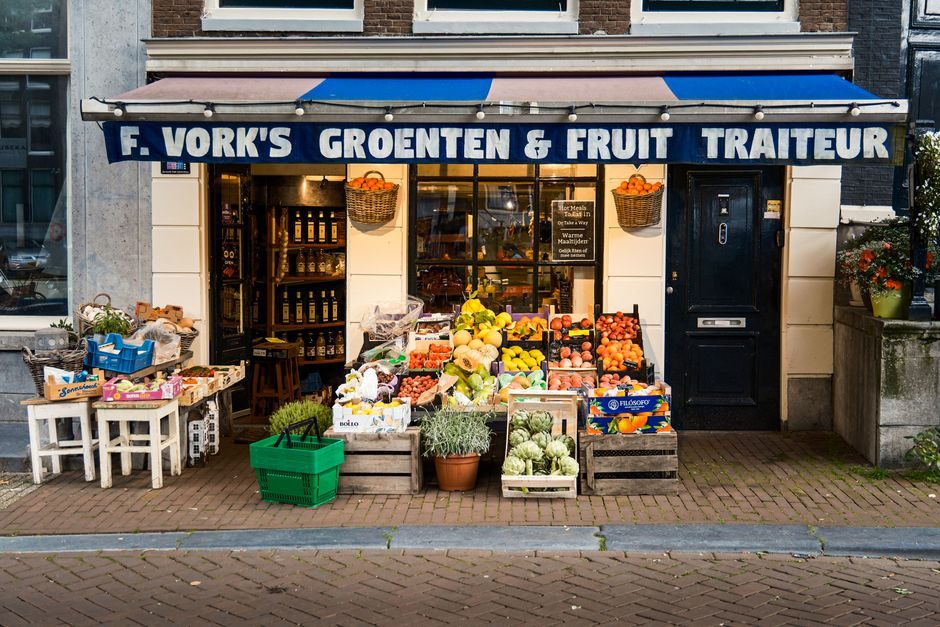
When covering shops, describe layouts and sensory cues—creamy texture, vanilla aroma, the color of the product—to ground readers in the scene. Use concrete, verifiable details over generalities.
Editorial decisions should center on impact: how does advocaat availability affect families, schools, or event planners in Zwolle?
- Interview shopkeepers and customers
- Describe storefronts and displays
- Highlight seasonal changes in supply
Comparing advocaat variants across the Netherlands

Common types and regional twists
Dutch advocaat comes in several variants, from traditional egg-based recipes to lighter or dairy-free versions. Reporters should distinguish texture, sweetness, and alcohol content when comparing products. Consumers benefit from practical descriptors instead of vague impressions.
Provide a side-by-side style guide of key attributes—creaminess, aftertaste, and price range—to help readers evaluate options quickly. This kind of comparison aids shoppers and event planners alike.
Be careful to avoid assuming national uniformity; note where Zwolle aligns with or diverges from broader patterns.
- Creaminess and texture differences
- Sugar levels and aftertaste
- Price ranges by store type
Retail channels and accessibility
Advocaat availability varies by store type, season, and municipal events. Track which channels regularly stock advocaat: supermarkets, specialty shops, farmers markets, or online sellers. Readers gain clarity on where to buy and how to compare offers.
Describe practical steps for readers: call ahead to confirm stock, check delivery options, and read product labels for origin or production date. This keeps reporting grounded in actionable information.
Assess how promotions or seasonal displays influence consumer choices and local chatter.
- Stock patterns across channels
- Delivery and pickup options
- Label details for origin and date
What readers should watch next in local food news
Upcoming coverage opportunities
Identify upcoming events where advocaat might feature, such as markets, tastings, or cultural celebrations in Zwolle. Point readers to reliable calendars and local outlets that regularly cover these happenings. This keeps audiences informed about where to look for fresh reporting.
- Monitor local markets for advocaat trends.
- Verify claims with official sources.
- Encourage reader tips for broader coverage
Explain how readers can contribute tips or observations: noting discounts, new vendors, or changes in availability. Community input can widen the coverage base without relying on a single source.
Emphasize follow-up angles like regulatory updates, safety advisories, or health department notices that affect how advocaat is sold.
- Event calendars to monitor
- Tips for reader-submitted observations
- Regulatory watch reminders
How to spot misinformation in local food stories
Misinformation can emerge from sensational headlines or incomplete supplier claims. Reporters should verify facts with multiple sources, such as official advisories and firsthand observations. This reduces the spread of rumors and protects readers.
Cross-check photos for date stamps and context to avoid misrepresenting a scene or product. Include caveats when information is still developing.
Provide readers with a short checklist for assessing food-related news, focusing on sourcing, dates, and verification.
- Cross-check dates with authorities
- Ask for multiple sources
- Avoid sensational framing
Frequently asked questions
What is the simplest way to verify an advocaat product’s origin in Zwolle?Start with the label: look for origin statements, ingredients, and allergen information. If the store publishes a safety or compliance notice, check it against the packaging claims. For added confidence, ask staff about production dates and batch numbers and request official documentation if needed.
Which venues in Zwolle commonly carry advocaat?You’ll find advocaat in larger grocery stores, specialty food shops, and market stalls during typical market days. Availability fluctuates by season and event schedules, so calling ahead or checking a store’s online listings helps avoid wasted trips.
How should readers respond to conflicting reports about safety or quality?Treat conflicting reports as developing stories. Compare statements from health authorities, retailers, and independent testers where available, and note dates of each claim. Reporting should reflect the most current official guidance and invite readers to verify locally.
What ongoing coverage should readers expect on Zwolle’s food scene?Look for regular updates on seasonal products, new vendors, and regulatory changes that affect availability. Local outlets often publish market roundups, festival previews, and safety advisories, providing a steady stream of concrete details for shoppers.
Conclusion
Local reporting about advocaat in Zwolle should stay grounded in practical details—availability, safety, and cultural context. Readers benefit from concrete steps, such as checking packaging and visiting markets with a prepared list. This approach turns information into everyday value.
The next step for readers is to follow upcoming local food coverage and read about Zwolle’s dairy landscape in more depth, so they can compare products and anticipate changes in supply and flavor.
Add Las Vegas News as a preferred source on Google

