
How to list your event in the USA: clear steps for news readers
A practical guide for posting events in the USA, with plain steps, common pitfalls, and concrete tips for accurate, timely listings on Vegaso News.

If you want your event covered or noticed, you need a straightforward listing plan tailored for US audiences. This article explains the practical steps, from identifying the right platforms to avoiding common errors, so readers and editors can act quickly. You’ll see concrete examples and warning signs that help you stay accurate and timely.
The steps are practical, not theoretical: verify dates, match the venue, and describe what makes the event newsworthy. Each paragraph builds toward actionable choices you can implement this week. You’ll also find links to reliable resources and a checklist you can reuse for future submissions.
By sticking to clear facts and verifiable details, you help editors decide coverage and readers understand what to expect. The guidance focuses on relevance, accuracy, and transparency, so your listing supports breaking-news workflows as well as planned coverage.
- Determine the event’s core facts first and verify them against the organizer.
- Choose the right platform based on audience and guidelines, and tailor the description accordingly.
- Prepare for updates by using a standard change process and keeping a clear record.
- Maintain neutral language and provide reliable sources to support every claim.
Basics of listing an event
Why a listing matters
A good listing helps readers decide quickly whether an event is worth attending or monitoring for updates. Start with the essentials: what, when, where, and why this event matters now. Emphasize a news peg or timely angle to justify coverage. list your event in the USA
- Omitting a date or time trap
- Using vague location details
- Overloading with nonessential context
This section shows how to frame a request so editors see value. Include a one-sentence summary that a reader can quote, plus a date and location that are easy to verify.
A clear listing reduces back-and-forth and speeds up publication. It also improves trust when information aligns with other verified sources.
If you’re unsure about what to include, imagine you’re a reader skimming a news feed and need one sentence to decide: is this event relevant today?
- State the exact date and time
- Mention the city and venue
- Explain the event’s relevance to current events
- Provide a contact for updates
- Include a brief, neutral description
Choosing the right platform
Select platforms that serve readers in the intended region and audience. Local outlets, event calendars, and neighborhood newsletters are common options with high engagement.
Match the platform’s tone to the audience: some prefer concise blurbs, others expect a longer event description with context. Always check submission guidelines before drafting.
Timing matters: submit early to be included in advance roundups, but be ready to update as details change. A late change can erase the usefulness of a listing.
If a platform asks for additional media, prepare a neutral image or flyer that clearly represents the event without distortion.
- Use local calendars for regional reach
- Follow each platform’s rules
- Be timely with updates
- Prepare media in advance
- Avoid repeated edits after publication
How to verify details before submission

Check the core facts
Begin with the event title, date, time, and venue. Confirm these against official listings or the event organizer’s site to prevent incorrect postings. Blog Book World
- Assuming details from secondary sources
- Ignoring accessibility notes
- Publishing before final confirmations
Note any changes promptly and document the date of verification. This helps editors trust the listing and reduces follow-up questions.
A precise, verified listing accelerates the newsroom workflow, especially during breaking news when editors need dependable inputs.
Describe what attendees should expect without asserting claims that aren’t verified.
- Cross-check with organizer
- Review venue maps for accuracy
- Confirm accessibility details
- Record verification date
- Avoid speculative language
Describe the event neutrally
Write a neutral, factual description that explains what the event is and why it matters to readers now. Avoid promotional language and unverified claims about attendance or outcomes.
Provide context: is this a policy discussion, a cultural event, or a community meeting? Clear categories help readers evaluate relevance.
A useful description provides a logical flow: what, where, when, who, and why now, in that order.
End with how readers can learn more or participate, without pressuring them to attend.
- State purpose and format
- Identify key participants or organizers
- Clarify venue and access
- Offer reliable sources for updates
- Keep the tone objective
Options for handling multi-location events
Local vs national listings
Different audiences require different geographic detail. Local listings suit readers closest to the event, while national calendars may highlight broader relevance. submit your business in the USA
Provide a concise map or list of locations if an event spans multiple sites. This helps readers understand the scale and plan attendance or coverage.
If some sites lack details, note that clearly and offer to update as information becomes available.
Consistency across locations makes the listing easier to scan and compare.
- Tailor details by audience
- Use a simple map or list
- Mark unknowns clearly
- Keep formatting consistent
| Method | Strengths | Limitations |
|---|---|---|
| Direct verification | High accuracy | Requires organizer access |
| Cross-check with multiple sources | Reduces errors | May take longer |
| Public listings as reference | Fast baseline | Risk of outdated data |
Handling changes smoothly
Events often shift in time, date, or venue. Prepare a standard update template that captures changes without duplicating the original listing.
Post updates promptly and reference the original listing to avoid confusion. Include a timestamp of the last update.
Coordinate with organizers to confirm new details before publishing enhancements to the public record.
Communicate closures or cancellations with the same neutral tone used for announcements.
- Use a change log
- Publish timely updates
- Verify new details before posting
- Keep readers informed of status changes
Provide a one-paragraph contact method and an alternate channel for urgent changes.
Practical tips for quick submissions
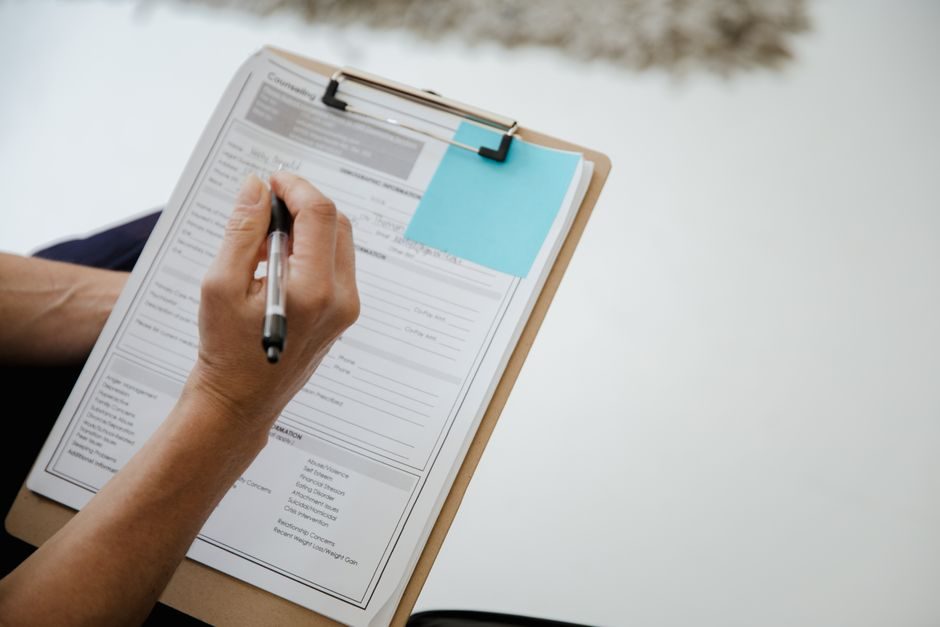
Streamline essential details
Start with the core facts: what, where, when, and who runs the event. Missing or vague data slows editors and can lead to rejection. Have a single contact person and a reliable time window for updates to avoid delays. rooms and property to rent in the USA
Prepare a concise event summary that fits a single paragraph. Avoid jargon and hype; stick to neutral, verifiable information. Include venue address and any accessibility notes that readers expect.
Provide a one-paragraph contact method and an alternate channel for urgent changes. This helps editors resolve conflicts quickly and reduces back-and-forth. Include a brief note about expected attendance if relevant to local coverage.
- Keep the title under 10 words.
- Include public hours and ticketing details.
- Attach a straightforward rush deadline if applicable
- Include a link to the sponsoring organization
Common pitfalls to avoid
Common data gaps
Events lose readers when key facts are missing. Ensure the exact start time, end time, and location are stated. If an event spans multiple days, specify the primary date and note any exceptions. funeral notices in the USA
Ambiguous names create confusion for editors and readers. Use the official event title and the hosting organization’s name as it appears publicly. Avoid acronyms unless they are widely recognized and clarified at first use.
Overly promotional language invites rejection. Stick to plain statements of purpose, speakers, and activities. If there are sponsors, name them succinctly without extraneous praise.
- No unclear dates or locations
- No hidden costs in fine print
- No unverified speaker claims
- No speculative attendance figures
Alternatives to consider
Different channels for reach
Submitting to a single portal may not reach all readers. Consider regional outlets, community boards, and nonprofit calendars to maximize visibility. Each channel has its own preferred format and deadlines.
- Assess where readers look first for events in your area.
- Prepare separate summaries for different audiences if needed.
- Track which channels pick up your listing to learn what works.
Leverage social and local media quietly by providing a press-ready summary. Offer a short, neutral blurb and a high-quality image that editors can reuse. Avoid overextending the release date; align with editorial calendars when possible.
Coordinate with local organizers to align listings with larger events. A coordinated approach reduces duplication and increases chances of coverage. Share a standard fact sheet to simplify cross-posting.
- Use both mainstream and community calendars
- Provide a media-ready blurb
- Share a simple fact sheet
- Coordinate with organizers
What editors look for in listings
Editorial relevance and clarity
Editors prioritize listings that serve the audience with clear, verifiable details. The listing should answer what, where, when, and how attendees can participate. Avoid vague language that invites questions.
- ☐ Provide a straightforward event description.
- ☐ Include official URLs for verification.
- ☐ Offer an additional contact for quick confirmation.
Context matters: note if the event has implications for local readers, such as a community impact or timely relevance. If there are costs or registration steps, spell them out plainly.
Proof and accuracy save time: include a link to the event page or a primary source as proof of details. Prepare a short, factual quote only if it adds value for readers.
- Clear times and locations
- Verifiable sources included
- No hype or misrepresentation
- Timely relevance and context
Frequently asked questions
How long should a listing description be?Listings should be concise, typically 1–2 short paragraphs that cover the event’s core details. Editors prefer factual, verifiable information with a clear call to action if attendance is required.
What details are mandatory in a listing?Mandatory details include the event name, date, start time, venue, and a contact method. If there are fees or registration steps, include those plainly. Any accessibility notes are helpful for readers.
Can a listing be edited after submission?Yes. Editors can update listings if details change. Provide revised information promptly and reference the original submission to avoid confusion.
Is it okay to include promotional language?Avoid promotional language. Stick to neutral, factual statements about what the event offers, who runs it, and how to participate.
Closing notes
Organizers should view listings as a bridge to the audience: accurate, accessible information helps readers decide to attend and allows journalists to cover the event effectively.
A practical, reader-first submission approach reduces back-and-forth, speeds publication, and supports local coverage by providing a dependable calendar entry.
Add Las Vegas News as a preferred source on Google


