
How to Start a Business in Las Vegas: A Local Checklist
Plan a Las Vegas business with practical steps for choosing a market, selecting a structure, and checking Nevada, city, county, and federal requirements.

To start a business in Las Vegas, define what you will sell and who will buy it, research demand and operating costs, choose a legal structure and name, then confirm registration, licensing, zoning, and permit requirements with the authorities responsible for your location. Requirements can differ between the City of Las Vegas, Clark County, and neighboring municipalities, so verify them before signing a lease or opening.
Start with the decisions that are costly to reverse: where you will operate, whether customers will visit in person, and what permissions the activity requires. A business serving the Strip may face different practical conditions from one based in a residential neighborhood or an industrial area.
This checklist points to planning questions and official sources, not legal or tax advice. Confirm current rules with Nevada, local, and federal agencies, and seek qualified professional guidance when your business structure or obligations are unclear.
- Define your offer, customers, and operating model before committing to a location.
- Research demand in the specific Las Vegas area where you plan to serve customers.
- Compare business structures and check name availability before filing or investing in branding.
- Confirm state, local, zoning, and activity-specific requirements with the authorities responsible for your address.
Decide what kind of business to start
Match the idea to your strengths
Choose an idea that fits your experience, available time, and ability to deliver consistently—not just one that sounds popular. A service business may need less space than a shop, while food, lodging, or personal-care operations can bring added health, safety, and premises requirements. Write down what customers receive and what you must provide each day.
- Mistake: choosing an idea only because it seems trendy; better approach: test whether identifiable customers will pay for a specific offer.
- Mistake: committing to a lease before checking permitted uses; better approach: ask the relevant planning and licensing offices about the location first.
- Mistake: treating a home business as automatically exempt; better approach: verify local licensing and zoning rules for the activity and address.
Separate the core offer from extras before estimating what it takes to open. For example, a tour operator might begin with a defined route and booking process, then add vehicles or more experiences only after checking the relevant operating rules. A clear first offer makes it easier to estimate staffing, equipment, insurance, and the permissions to investigate.
Consider whether the work depends on a storefront, a commercial kitchen, a vehicle, a home office, or a customer’s premises. That choice affects where you can legally operate and what facilities you may need. Do not assume a home-based business is automatically exempt from local licensing, zoning, or other applicable requirements.
Define how the business operates
Describe how a customer finds, buys, and receives your product or service. A walk-in shop, appointment-based service, delivery operation, and online seller have different needs for space, staffing, payments, and customer access. This simple operating outline also reveals whether your first version can start small or requires a dedicated premises.
Map the work from the first inquiry through payment and follow-up, including who handles each task. If you plan to serve visitors near the Strip, account for customer access, delivery arrangements, and the practical limits of your chosen site. A business serving residents in a neighborhood may instead rely on repeat appointments and local referrals.
Estimate the resources each operating step requires before deciding how much to launch at once. Include equipment, supplies, labor, insurance, and the time needed to manage bookings or inventory. Treat these as planning questions rather than assumed costs, and get current quotes or professional advice before making financial commitments.
Research your Las Vegas market and customers

Compare local customer groups
Identify the customers most likely to buy, then distinguish residents from visitors and business clients. Their schedules, buying reasons, and expectations can differ, even when they are looking for similar services. A lunch-focused offer near offices, for instance, needs a different plan from an experience aimed at tourists staying around the Strip.
Choose a practical area to investigate, such as Downtown, the Arts District, a neighborhood shopping corridor, or a visitor-focused location. These places are not interchangeable: foot traffic, access, nearby services, and customer routines vary. Visit at relevant times and observe how people arrive, what businesses are open, and which needs appear underserved.
Ask potential customers specific questions about how they currently solve the problem, what frustrates them, and what would make them switch. Avoid relying only on compliments about your idea; interest is not the same as a purchase. Record recurring answers and use them to sharpen the offer, hours, location, and service process.
Check competition and site fit
Study direct competitors and alternatives customers already use, including businesses outside your immediate neighborhood. Compare their services, hours, booking methods, and customer feedback rather than copying their presentation. The goal is to find a specific gap you can serve, such as a clearer process, a different schedule, or a more convenient service area.
Check a possible site against the way your business actually works. Consider visibility, parking or transit access, deliveries, storage, utilities, and whether customers can reach the entrance easily. Las Vegas conditions can change with event schedules and seasonal heat, so assess access and operating needs at the times your customers are likely to arrive.
Before treating a location as viable, ask the appropriate local planning office whether the proposed use is allowed there and whether conditions apply. A promising retail space can still be unsuitable for a particular activity. Confirm the permitted use and any needed approvals before signing a lease, ordering equipment, or advertising an opening date.
Choose a business structure and name
Compare common legal structures
Choose a structure after comparing ownership, personal liability, management, and recordkeeping needs. Sole proprietorships, partnerships, limited liability companies, and corporations differ in how they are formed and operated. The right choice depends on your circumstances, so discuss legal and tax consequences with qualified advisers rather than treating one structure as best for every owner.
A sole proprietorship may involve fewer formation steps, but it does not create the same legal separation as an entity formed under state law. An LLC or corporation has formal filing and ongoing obligations, and the details depend on the entity and its owners. Check Nevada Secretary of State information and obtain professional advice before filing.
If more than one person will own the business, settle decision-making, contributions, ownership changes, and dispute handling before launch. Put the agreed terms into appropriate written documents with professional help. Clear arrangements matter even among friends or family because an informal understanding may not answer what happens when an owner leaves or responsibilities change.
| Option | Basic distinction | What to verify |
|---|---|---|
| Sole proprietorship | Owner operates without forming a separate state-law entity | Personal liability and tax treatment |
| Partnership | Two or more owners conduct the business | Written ownership and decision terms |
| LLC | State-formed entity with formal filing obligations | Management, liability, and ongoing filings |
| Corporation | State-formed entity with formal governance | Recordkeeping, ownership, and tax treatment |
Check and protect the name
Search Nevada business records to see whether a proposed entity name is available, and confirm the current naming rules before filing. State name availability is not the same as trademark clearance or proof that no similar business is using the name. Search relevant trademark records and consider professional advice before investing in signage or branding.
If you will trade under a name different from your legal name or entity name, check whether a fictitious firm name filing is required in the county where you operate. County procedures and the responsible office may depend on the location. Confirm the current process directly with the relevant county clerk rather than relying on an old checklist.
Check that the name works in practical settings: customers should be able to say, spell, and distinguish it from nearby businesses. Look for a suitable web address and social handles, but do not assume their availability grants legal rights. Keep copies of name searches and filings with your formation records so you can track what has been confirmed.
List every jurisdiction that may regulate the business before applying: Nevada, the local municipality or Clark County, and relevant federal agencies.
Check licenses, permits, and registration requirements
Identify the right authorities
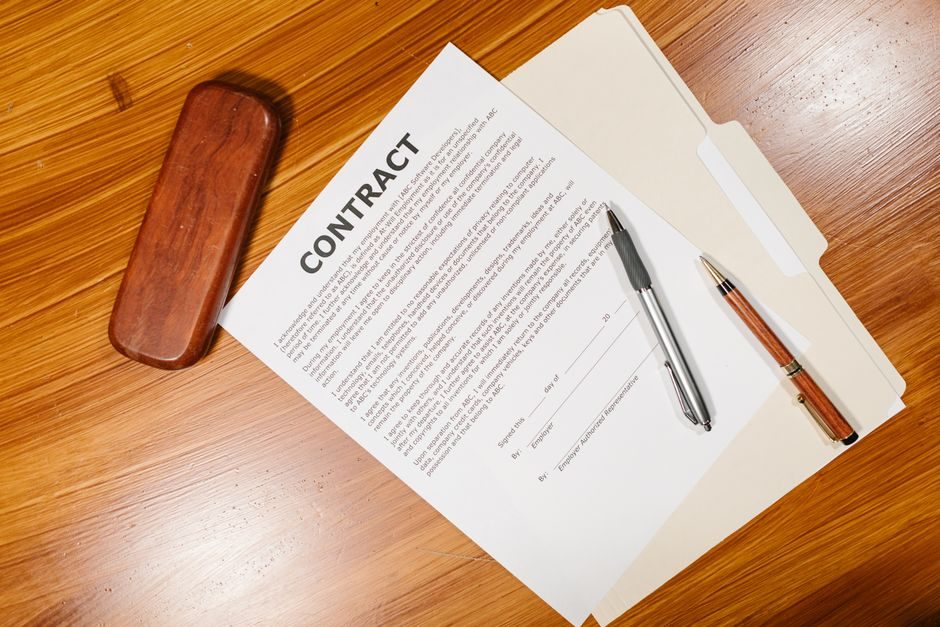
List every jurisdiction that may regulate the business before applying: Nevada, the local municipality or Clark County, and relevant federal agencies. The City of Las Vegas is not the same licensing authority as unincorporated Clark County or nearby cities such as Henderson. The business address and activity determine which offices you should contact.
Nevada’s SilverFlume portal provides state business registration services, and the state generally requires businesses to obtain a state business license or qualify for an applicable exemption. State registration does not replace local business licensing. Check current instructions with the Nevada Secretary of State and the local licensing office responsible for your location.
Ask each authority which approvals apply to your exact activity and address, and keep a written checklist of applications, renewals, and supporting documents. A business may need more than one approval, while some requirements depend on its premises or services. Confirm the responsible office directly; do not infer that a state filing clears local requirements.
Check premises and activity permits
Verify zoning and permitted use for the specific address before signing a lease or beginning renovations. Depending on the business, you may also need building, fire, health, signage, or other approvals. Ask the local planning, building, and licensing offices which reviews apply, since requirements depend on the property and the work planned.
Businesses handling food, serving alcohol, providing regulated services, or making physical changes to a space can face additional agency reviews. The responsible department and approval process vary by activity. Contact the relevant local or state regulator early, and wait for required approvals before operating or representing that a service is available.
Keep copies of applications, approvals, inspection results, and renewal dates in one business file. Ask authorities what must be displayed at the premises and whether a change in ownership, address, or service requires an updated filing. For federal obligations, check the relevant agency directly, and consult qualified tax or legal professionals about your specific duties.
Plan your location, staffing, and startup costs
Compare Sites and Lease Terms
Choose a location only after checking whether the space fits your customers, operations, and required approvals. A storefront near the Strip may reach visitors, while a site in Summerlin or the Arts District may better suit a neighborhood service or destination business. Verify zoning and permitted uses with the relevant city or county before signing a lease.
Ask the landlord for the complete proposed lease and identify costs beyond base rent, such as utilities, maintenance, insurance obligations, and tenant improvements. Confirm who pays for signs, repairs, and any work needed to make the space usable. Have qualified legal and financial advisers review terms you do not understand before committing.
Local Seo Services may help owners assess how a provider handles business profiles and location information for nearby customers, but confirm the provider serves Las Vegas. Compare rent and build-out costs against a realistic opening budget, including a reserve for slower-than-expected sales. Do not treat an attractive site as proof that demand will cover its ongoing expenses.
Estimate Hiring and Opening Needs
Build a staffing plan around the work that must happen each day, not an optimistic sales forecast. A restaurant may need coverage across service periods, while a small professional office may begin with fewer employees and outside specialists. List each role, its responsibilities, and when the business can afford to add it.
Before recruiting, check current Nevada and federal rules that apply to hiring, payroll, workplace safety, and required notices. Requirements can depend on the business and the work performed, so verify details with the responsible agencies or a qualified adviser. Keep hiring records organized from the start rather than reconstructing them after a problem arises.
Estimate opening expenses separately from recurring costs so you can see how much cash is needed before revenue arrives. Include equipment, deposits, inventory, payroll, utilities, and launch marketing where relevant, then test a slower-opening scenario. A written cash-flow forecast can show which purchases can wait and when the business may need additional funding.
Set up payments, records, and insurance

Build Reliable Money Systems
Separate business and personal transactions from the beginning by using accounts and payment methods intended for the business. Choose a point-of-sale or invoicing system that suits how customers pay, whether in person, online, or by appointment. Compare processing terms, settlement timing, refunds, and reporting before choosing a provider.
Create a routine for recording sales, expenses, receipts, and account statements, and reconcile them regularly. Consistent records make it easier to monitor cash flow and respond to questions from tax authorities or lenders. Ask a qualified tax professional which records and filing obligations apply to your business rather than relying on generic advice.
Seo Services can help owners understand the range of online marketing work they may encounter when deciding how to reach customers. Keep marketing charges and other business expenses identifiable in your bookkeeping, so you can compare spending with results. Establish who can approve payments and review account activity to catch mistakes or unauthorized transactions promptly.
Review Coverage and Recordkeeping
Ask an insurance professional to explain which coverage fits your premises, work, staff, equipment, and customer interactions. A retailer, contractor, and consultant face different exposures, so do not assume one policy covers every risk. Review exclusions and limits, and confirm any requirements imposed by a lease, contract, or regulator.
Keep insurance documents, licenses, contracts, and business records in a secure, organized place with access limited to people who need them. Save copies of important documents outside the premises, and know how to retrieve them if a device is lost or damaged. A simple retention procedure helps staff file documents consistently as the business grows.
Review your records and coverage when the business changes, such as adding a location, hiring employees, or offering a new service. Tell your insurer about material changes and ask whether your existing policy still applies. Requirements vary by activity and circumstances, so verify them with the appropriate agency and qualified professionals instead of assuming a previous answer remains current.
Create a clear online presence for local customers
Make Local Details Consistent
Give customers one accurate version of your business name, address, phone number, hours, and services wherever they look online. A wrong suite number or outdated opening time can send a customer to the wrong place, especially in a busy commercial area. Update business profiles and directories when details change, and check them periodically.
- ☐ Confirm your business name and contact details match across profiles.
- ☐ Check that listed hours reflect actual operating hours.
- ☐ Explain your service area and customer contact options.
- ☐ Assign someone to update details when they change.
Leicester Seo Services illustrates the location-specific work an agency may describe, but Las Vegas owners should confirm that any provider they hire serves this market. Ask how the provider will keep business profiles and location information accurate, and what access you retain to accounts. A local customer needs dependable details more than broad promises about visibility.
Use clear, useful wording on your website to explain what you offer, where you serve customers, and how to contact or visit you. Include practical information such as appointment steps, accessibility details, parking guidance, or service boundaries when relevant. Make sure the same facts appear on your social profiles and other customer-facing channels.
Choose Useful Customer Channels
Select online channels based on where your customers look for your kind of business, rather than trying to maintain every platform. A restaurant may need a current menu and reservation details, while a home-service company may need clear service boundaries and a way to request an estimate. Keep the chosen channels active and accurate.
Make your website easy to use on a phone, with contact details and the next step visible without excessive searching. Test forms, booking links, and click-to-call functions yourself, and ask someone unfamiliar with the site to try them. Fix broken paths quickly because a customer who cannot complete a simple task may leave.
If you consider outside marketing help, ask what work will be done, how progress will be reported, and who owns the accounts and content. A provider should understand your actual service area and customer base, not merely offer a generic plan. Track inquiries and completed actions that matter to your business, then adjust channels based on what customers use.
Avoid common launch mistakes and keep improving

Check Before Opening Day
Do a final readiness check before announcing an opening date or accepting customers. Confirm that required approvals are in place, staff understand their duties, suppliers know when to deliver, and payment systems work. The exact requirements depend on the business, so verify outstanding items with the relevant local, Nevada, and federal authorities.
- Verify approvals before serving customers.
- Test the full customer experience in advance.
- Assign owners and deadlines to open tasks.
Test the customer experience from arrival through payment, including signage, booking, pickup, or service instructions. A Las Vegas visitor may need clear directions to a business in a large resort or retail complex, while neighborhood customers may need simple parking or entrance guidance. Correct confusing steps before they create avoidable complaints.
Keep a written list of unresolved tasks and assign each one to a person with a due date. Avoid expanding the opening offer before the basic service works reliably; extra options can complicate staffing, inventory, and customer communication. If an approval or essential system is not ready, delay the affected activity rather than operating on an assumption.
Learn From Early Operations
Review a small set of useful operating signals after opening, such as sales by service, repeat visits, customer questions, and missed appointments. Compare what customers actually do with the assumptions in your plan, and look for specific friction points. A recurring question about hours or directions may call for clearer information rather than a new promotion.
Ask customers for feedback in a straightforward way and record recurring comments alongside staff observations. Separate a one-off preference from a repeated problem before changing prices, hours, or the service itself. When you make a change, note what changed and review whether it improved the customer experience or operating process.
Keep checking compliance, insurance, staffing, and cash flow as the business evolves; an opening-day setup may not fit a new service or location. Revisit official guidance when circumstances change and seek qualified advice for legal or tax questions. Regular, modest adjustments are easier to manage than waiting until a preventable issue disrupts operations.
Frequently asked questions
Should I form my business before choosing a location?You can research possible locations before forming an entity, but avoid signing a lease or making a major commitment until you understand the business structure, permitted use, and costs involved. The best sequence depends on the business and the terms being offered. Check requirements with the relevant authorities and ask qualified legal or tax professionals how to handle commitments made during setup.
Where can I verify Las Vegas business requirements?Start with the city or county that has jurisdiction over the business location, then check Nevada and federal agencies for requirements that apply to your activity. The correct authority can depend on the address, business type, and services offered. Use official government sources for current rules, and contact the agency directly when a page does not clearly answer your situation.
What should I prepare before speaking with a landlord?Prepare a short description of the business, the activities planned inside the space, expected operating hours, and the equipment or improvements you may need. Ask for proposed lease terms and a complete outline of occupancy costs. Then verify that the intended use is allowed and have qualified advisers review important obligations before signing.
How can I tell whether my business is ready to open?Check that required approvals are confirmed, staff know their responsibilities, payment and recordkeeping systems work, and customers can find clear information about hours and access. Run through the service as if you were a first-time customer and resolve any points of confusion. If a legal approval or essential operational step remains uncertain, verify it before proceeding.
Take the next step toward opening
Starting a Las Vegas business means connecting a sound plan with the rules and conditions of the specific place where it will operate. Check permitted uses and local requirements before committing to a site, build a realistic cash-flow plan, and put reliable payment, recordkeeping, insurance, and customer information systems in place. After opening, use customer feedback and operating records to make focused changes instead of guessing.
Your next step is to write down the business activity, intended location, likely staffing needs, and questions that remain unanswered. Use that list to check requirements with the relevant city or county, Nevada, and federal authorities before signing a lease or announcing an opening. Bring legal, tax, insurance, or other technical questions to qualified professionals who can assess your specific circumstances.
Add Las Vegas News as a preferred source on Google


