
How to understand Danimarka'da vefat duyurusu clearly and use it
A clear explainer for readers: what a death notice in Denmark means, how it appears in media, and practical steps to verify and use the information.

A Danimarka obituary notice serves as a public record of someone’s death and basic biographical details. This explainer walks readers through what such notices are, why they appear in news and community pages, and how to interpret them responsibly. You’ll learn where to look, what information is typically included, and how to verify accuracy before sharing.
Obituaries in Denmark often appear in local newspapers, regional portals, and official announcements. Understanding their format helps readers distinguish between formal notices and memorial posts. The goal is to read with caution, check sources, and respect the individuals and families involved.
These notes focus on practical steps for readers who encounter these notices in current events coverage, community calendars, or local business directories. By following simple verification steps, you can avoid spreading unverified information and better understand the public record surrounding a death.
- A death notice in Denmark signals a public record of a death and is often brief and formal.
- Verify details across multiple sources before sharing; misreporting deaths harms families and credibility.
- Use official or family-endorsed notices to confirm information, and respect privacy when possible.
- This guide helps readers read notices critically, verify facts, and participate respectfully in public memory.
Basics and context
What it is and isn’t
A death notice is a short public announcement about a person’s passing, often listing date, age, and survivors. It differs from a full obituary, which provides a broader life story. Look for official sources or family-endorsed notices to gauge reliability. Danimarka'da vefat duyurusu provides basic details in many notices.
When notices appear in media, they may supplement tributes or community announcements. They are not always exhaustive; gaps can occur when families choose concise wording. Treat them as starting points rather than definitive biographies.
Consider regional variances in how notices are phrased or posted, especially in community bulletins or municipal portals. You’ll often see Nordic naming conventions and dates formatted in local style, which matters for accurate interpretation.
- Watch for dates closely; a wrong day can signal a transcription error
- Note the source of the notice to assess reliability
- Check if there is a follow-up notice with more details
- Avoid sharing claims not directly supported by the notice
Where to find notices
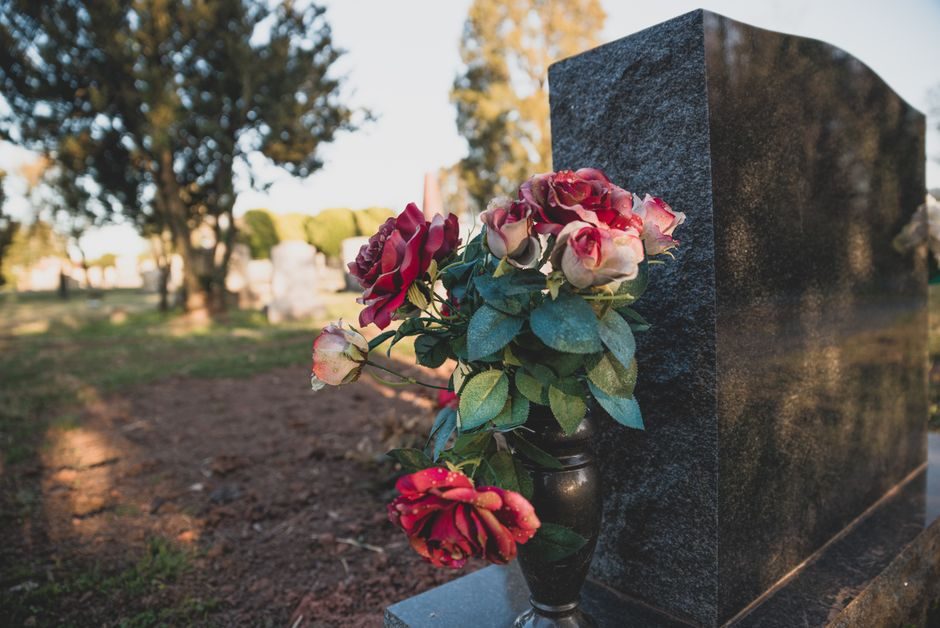
Common places to look
Death notices commonly surface in local newspapers, municipal portals, and dedicated obituary sections. Regional news sites may republish notices from family or funeral homes in a summarized form. Danimarka Haberleri haber sitesi often republishes notices with local context.
Some notices appear on community boards, cemetery listings, or church bulletins, especially for smaller towns. These can be timely but vary in detail.
Official government portals may post civil records or verified notices, offering a more formal channel for confirmation.
What to watch for in wording
Typical phrases to expect
Notice wording usually includes the person’s full name, date of death, age, and sometimes survivors or funeral details. Language is often concise and neutral. Danimarka'da etkinlik takvimi posts can include memorial services and related events.
Ambiguities can appear in phrases like “passed away” or “rest in peace,” which do not reveal the circumstances. Look for explicit statements if the cause or circumstances matter to you.
In some notices, the publisher notes public condolences or donation guidance, which helps you understand the family’s preferences.
- Look for family names and contact points for inquiries
- Be cautious of translated notices that may lose nuance
- Identify any dates that require cross-checking
- Be aware of regional spelling or diacritical marks
| Source | Strengths | Limitations |
|---|---|---|
| Official notices | High reliability | May be brief or delayed |
| Funeral home posts | Timely details | Limited to organizers’ perspective |
| News site summaries | Contextual info | Possible editorial edits |
If the notice seems incomplete, wait for a follow-up update before sharing widely.
Verifying and sharing responsibly
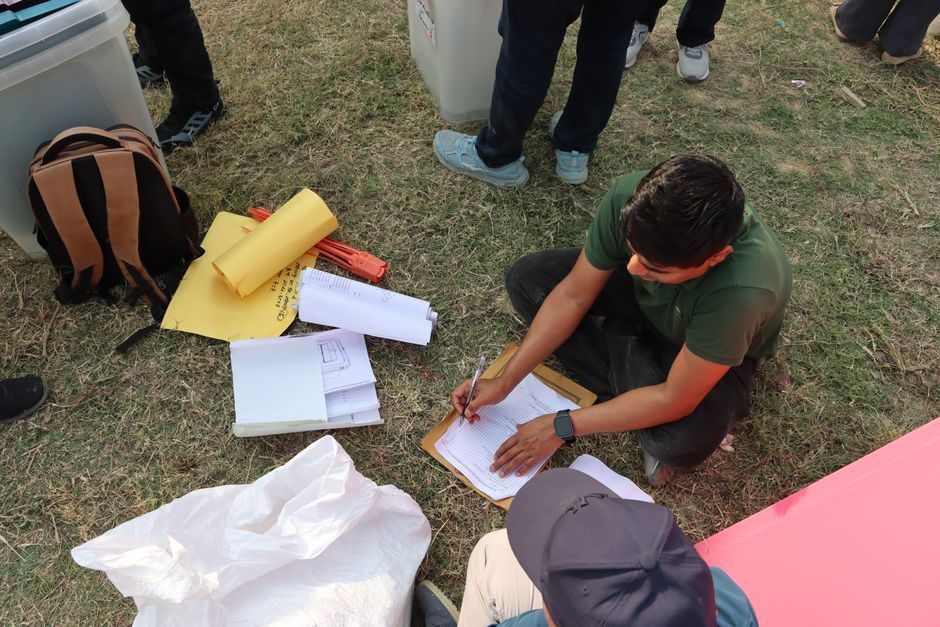
How to verify a notice
Cross-check the notice against multiple sources: official announcements, funeral home posts, or regional news summaries. Consistency across sources increases credibility. Danimarka'da firma rehberi sometimes lists funeral-related services and contacts.
If the notice seems incomplete, wait for a follow-up update before sharing widely. Funeral arrangements often unfold over days.
When in doubt, contact the listed source or the family liaison to confirm details before publishing or forwarding.
- Cross-check dates and names across at least two sources
- Do not amplify unverified details
- Respect privacy by limiting personal data you share
- If you share, keep condolences brief and respectful
Ethical considerations for readers
Respectful reporting guidelines
Readers rely on accuracy and sensitivity when reading about deaths. Journalists should verify basic facts and avoid sensational language that could cause distress to families. Context matters: local customs and timing can influence how notices are written and shared. Danimarka'da iş ilanı oluştur
Avoid repeating unverified claims found online and cross-check dates with official records or family statements. When in doubt, prioritize the person’s dignity and the impact on the community over speed. Openly noting any uncertainties helps maintain trust.
- Verify dates with an official register
- Do not publish sensitive personal details without consent
- Use neutral tone and avoid speculation
Local authorities and records

Who keeps the notices
In Denmark, death notices are often managed by local civil registries and parish records. Journalists should identify the correct jurisdiction, which may differ by municipality. Official notices sometimes appear in national papers or municipal bulletins.
- Assuming a notice is universal across regions
- Relying on secondary sources without official confirmation
- Sharing unwarranted speculation about cause or circumstances
Contacting the relevant registry helps confirm filing dates, names and funeral arrangements. Record checks should be documented, noting the source and time of verification to avoid misreporting.
- Identify the municipality
- Request official extracts
- Cross-check with family announcements
Digital footprints of notices
Where notices live online
Online notices may appear on municipal sites, newspaper portals, or dedicated obituary platforms. They can be updated or corrected after initial publication, so accuracy at first touch matters. Look for timestamps and author or source notes to gauge reliability.
Another factor is archival access: older notices might be moved to public archives or require a formal request. When reporting, note how long a notice stays visible and where the information is archived.
- Check the original source page
- Note any updates or corrections
- Record the access date and link
Practical tips for journalists

Crafting responsible notices
When drafting coverage, include essential facts: who, what, where, and when. Avoid unverified motives or private details that may distress families. Provide context by explaining how Danish notices are typically issued and shared.
Keep a clear line between reporting and commentary. If the notice sparks broader questions (privacy, consent, or community impact), present them with careful wording and balanced perspectives.
When possible, offer guidance on how readers can verify notices themselves, such as checking official registries or local newspapers.
- Present verifiable data
- Avoid sensitive speculation
- Label sources clearly
Frequently asked questions
Why do death notices appear in multiple places?Notices may be published by the family, by local authorities, or by newspapers. A single notice can be updated as information changes or as relatives confirm details. Readers should check the most recent version from official sources and note the publication date.
What should readers do if a notice seems incomplete?Check the cited sources and look for updates in local bulletins or registry records. If necessary, contact the issuing office for clarification. Readers should avoid sharing unverified details about individuals.
How can journalists handle corrections or retractions?Publish a clear correction with the accurate facts and the date of the change. Link to the corrected source and explain what led to the update. This maintains transparency with readers.
Are there privacy concerns with posting notices online?Yes. Respect the privacy of bereaved families by omitting sensitive identifiers unless they are already public in a formal notice. Provide context without exposing private information.
Closing thoughts for readers
For readers, understanding how Danish death notices are issued helps distinguish official information from informal posts. Verify dates, registries, and the source of each notice before sharing. This reduces misinformation during a sensitive time.
Journalists should document sources, maintain respectful language, and provide pathways for readers to verify notices themselves. A careful approach sustains credibility and supports communities dealing with loss.
Add Las Vegas News as a preferred source on Google


