
Latest kitchen interior design ideas: clear, practical updates
A practical guide for readers seeking fresh kitchen ideas. Practical steps, visual notes, and common pitfalls explained with concrete examples.

Readers looking for fresh kitchen ideas will find practical, news-minded guidance here. This article delivers clear steps, concrete examples, and cautionary notes to help you evaluate design options without hype. The goal is to present ideas that are usable, durable, and easy to discuss with a contractor or designer.
The guide focuses on timeless choices—layout, materials, lighting, and color—so readers can reference it for years rather than chasing fleeting buzzwords. Each paragraph explains a concrete action, a decision point, or a comparison that matters when planning a kitchen refresh.
You’ll learn how to prioritize updates based on usability, safety, and budget, with practical checklists and a table that compares common approaches. The coverage is anchored in real-world needs, not trends, so readers can make informed, transferable decisions.
- This guide outlines practical, durable kitchen ideas suitable for ongoing news discussions. It emphasizes layout, materials, lighting, and budgeting with concrete steps.
- Readers will learn how to assess space, choose materials, and plan a phased upgrade. Each section includes actionable tips and a quick checklist to help with decisions.
- A comparison table helps weigh common options for cabinets, counters, and storage, while linked phrases offer additional context for readers pursuing related resources.
Basics of a kitchen refresh
Layout fundamentals
Start with the workflow: the work triangle should connect sink, stove, and fridge with clear paths. Consider how you move between zones during cooking and cleaning. Even small changes, like repositioning a prep area, can reduce steps and fatigue. latest interior design news
- Overcrowding with too many cabinets; build in fewer, better-organized storage zones.
- Ignoring traffic patterns; add a clear pathway and avoid blocking the fridge door.
- Misplacing major appliances; ensure the workflow moves smoothly between zones.
Think about storage first: deep drawers for pots, shallow trays for lids, and a dedicated pantry can reduce clutter and streamline tasks. Visualize your worst daily jam and design around removing that friction.
Be mindful of traffic flow: avoid blocking walkways and ensure at least 36 inches of clearance around islands or peninsulas. A simple mockup on paper or with tape can reveal pinch points before you buy anything.
- Prioritize work zones near the sink
- Use accessible storage for everyday items
- Keep clear paths around the island
- Assess whether a door or window interferes with layout
Material and finish choices
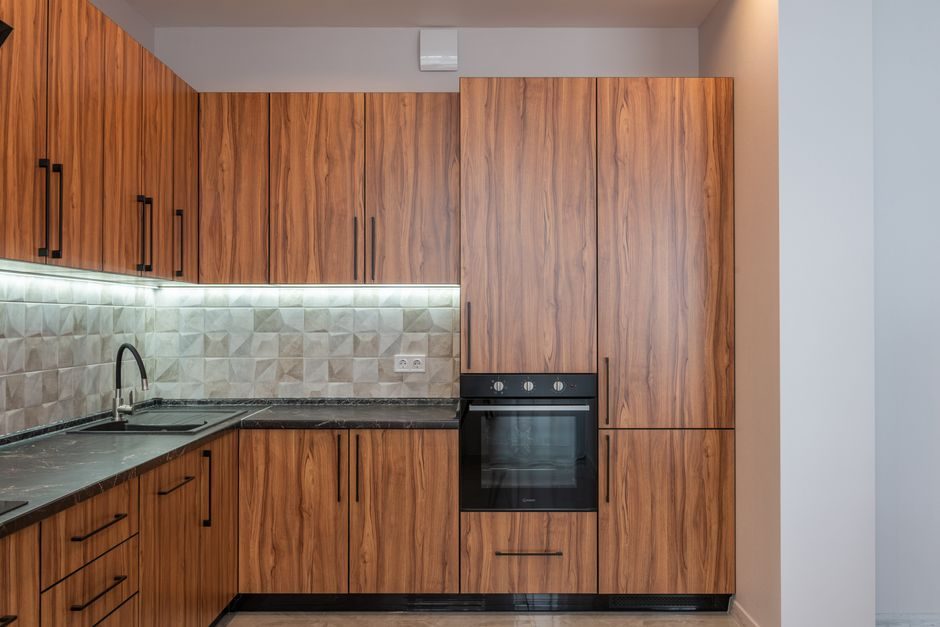
Durable surfaces
Choose materials that stand up to heat, moisture, and stains. Quartz countertops resist scratches and are easy to clean, while solid wood requires regular sealing and may show wear over time. Local events in the USA this week
Balance aesthetics with maintenance: matte finishes can hide fingerprints but may require more frequent cleaning, while glossy surfaces reflect light but show smudges.
Consider edge details and seam placement: a eased edge reduces chipping risk, and seams near sinks or cooktops should be minimized for cleanliness and durability.
- Quartz counters resist stains
- Solid wood needs sealing
- Matte hides fingerprints
- Minimal seams for durability
Lighting and color strategy
Layered lighting
Layer ambient, task, and accent lighting to create a balanced space. Use dimmable fixtures near the dining area and bright task lighting over prep zones for accuracy. List your business in the USA
Choose color temperature by zone: cooler light can aid focus at the countertop, warmer tones suit dining nooks, and consistent temperature helps readability of room design.
Incorporate natural light where possible and use window treatments that don’t impede sightlines or airflow, keeping the kitchen open and welcoming.
- Layered lighting improves functionality
- Color temperature consistency matters
- Natural light should be preserved
- Dimmable options offer flexibility
| Option | Pros | Cons |
|---|---|---|
| White quartz countertops | Stain resistance; easy upkeep | Higher cost; cold to touch |
| Solid wood cabinets | Classic look; can be refinished | Requires sealing; prone to moisture damage |
| Laminate surfaces | Budget-friendly; wide range of patterns | Less durable over time; may show wear |
Evaluate long-term value: prioritize upgrades that improve usability and resale appeal, such as better lighting, durable counters, or organized storage.
Budget-friendly updates
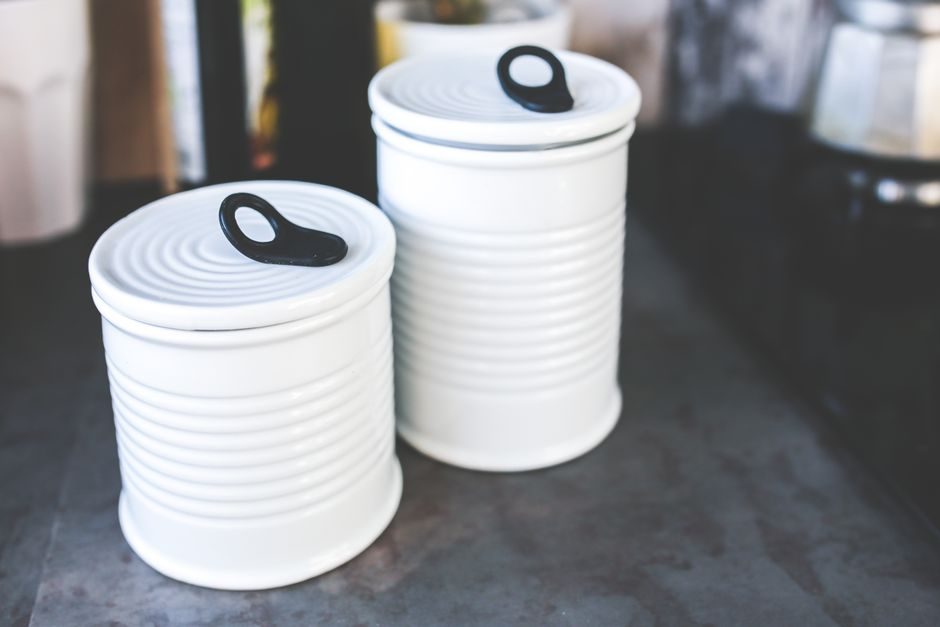
Cost-conscious upgrades
Small changes can transform a space: swap cabinet hardware, repaint cabinets, or install a backsplash that protects walls and adds personality. These tweaks often yield noticeable results without a full remodel. Second-hand items for sale in the USA
Evaluate long-term value: prioritize upgrades that improve usability and resale appeal, such as better lighting, durable counters, or organized storage.
Plan in stages and document costs to avoid surprises and keep a project on track.
- Swap hardware for a fresh look
- Repaint cabinets for cost efficiency
- Add a functional backsplash
- Stage projects to manage costs
Advanced storage solutions
Efficient pantry layouts
Maximize wall space by grouping shelves in adjustable levels and using pull-out baskets for small items. This helps keep dry goods visible and easy to reach, reducing food waste. Consider a shallow cabinet above the counter for everyday items and deeper shelves for bulk ingredients. announce a death in the USA is sometimes reported with careful timing to reflect community impact and public response.
- Plan vertical storage to free counter space
- Use adjustable shelves for flexible layouts
- Label and standardize bins for speed and clarity
Labeling shelves with clear categories speeds up daily routines and minimizes rummaging through cupboards. Use transparent containers for commodities that won’t clog the pipeline of your prep work. A dedicated spice pull-out can keep jars orderly and accessible.
Consistency matters: align bin sizes and rails across the pantry so you don’t waste space with mismatched hardware. A simple grid approach makes restocking predictable and helps maintain a clean look.
- Pull-out drawers for cans and bottles
- Stackable clear containers
- Dedicated corner storage
- Magnetic or pegboard accessories
- Under-shelf hooks for utensils
Energy-efficient appliances and ventilation
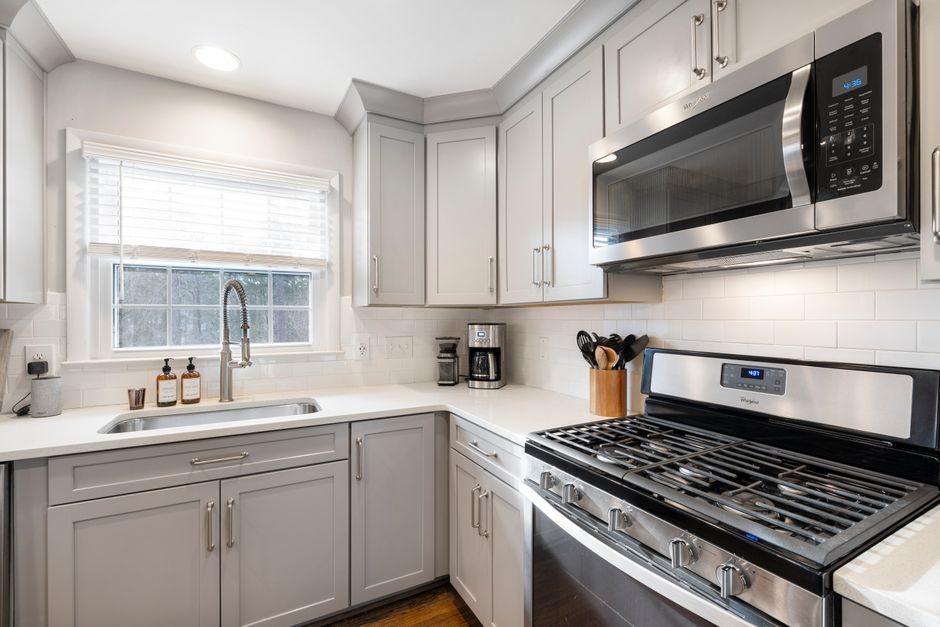
Smart energy choices
Choose appliances with high efficiency ratings and size them to match your actual cooking needs. Oversized models waste energy even when not in use. A compact oven or a combination microwave can save electricity in daily routines.
Look for features like adjustable power, efficient modes, and standby protections that cut phantom load. Modern induction cooktops heat quickly and reduce residual heat in the kitchen. Evaluate the overall energy footprint of a remodel alongside upfront costs.
Plan a ventilation strategy that matches cooking habits and layout. A well-placed range hood with proper ducting improves air quality and reduces heat buildup. Regular maintenance keeps airflow steady and quiet.
- Induction cooktops reduce heat spread
- High-efficiency refrigerants
- Smart standby features
- Proper ducting for hoods
- Regular vent cleaning
Sustainability in kitchen design
Materials with lower impact
Prioritize durable materials that stand up to daily use rather than trendy surfaces. Solid wood cabinets, recycled glass countertops, and bamboo options can balance durability with eco-conscious choices. Select finishes that resist wear so replacements aren’t frequent.
- Use a modular cabinet system that can be extended or reshaped as needs change
- Choose countertops with recycled content and long wear life
- Incorporate a compost area and easy-to-clean surfaces
Consider the full lifecycle of products, from sourcing to disposal. Look for low-VOC finishes to improve indoor air quality and choose sustainably harvested woods when possible. In cabinets, extend longevity with modular components that can be rebuilt rather than discarded.
A practical approach is to plan for repairability over replacement. Simple joins, replaceable hardware, and standard sizing allow parts to be swapped without a full remodel. This reduces waste and keeps the kitchen functional longer.
- Durable, repairable materials
- Low-VOC finishes
- Sustainably sourced wood
- Modular, upgradable design
- Recyclable or recycled content
Integrating technology and smart lighting
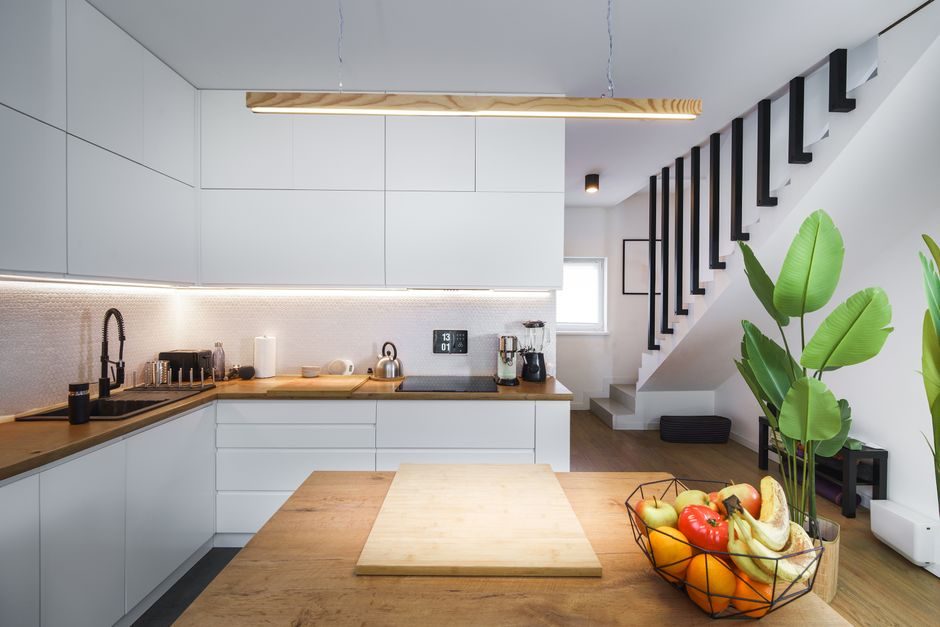
Smart controls for comfort
Install smart lighting that adapts to the time of day and activity. A dimmable layer over task lights reduces glare while cooking and makes evenings more relaxing. Use scenes that switch from bright prep light to softer ambient lighting for dining or cleanup.
Integrate motion sensors for under-cabinet lighting to improve safety and energy use. Automated adjustments can help you avoid leaving lights on in unused zones. Pair with a voice assistant for quick control during busy moments.
Consider how sensors and automation fit with your kitchen’s workflow. Reliable connectivity matters, so plan a central hub and ensure compatibility across devices for a seamless setup.
- Dimmable task lighting
- Motion-activated under-cabinet lights
- Voice assistant compatibility
- Scene-based lighting presets
- Easy routine automation
Frequently asked questions
What is the most practical kitchen update for a small space?For small kitchens, prioritize vertical storage and multi-purpose surfaces. A tall pantry, pull-out drawers, and a compact island can free counter space and improve workflow without a full remodel.
How do I choose energy-efficient appliances without sacrificing performance?Compare efficiency ratings, footprint, and real-world use. Induction cooktops offer fast heating with controlled energy use, while choosing appropriately sized fridges and dishwashers prevents unnecessary running time.
What materials balance sustainability and durability?Look for options with recycled content, low-VOC finishes, and responsibly sourced wood. Prioritize modular designs that can be expanded or repaired rather than replaced.
Can lighting affect mood and productivity in the kitchen?Yes. A layered lighting plan with bright task light, ambient glow, and dimmable controls supports both cooking and gathering, reducing eye strain and energy use.
Practical next steps for kitchen design updates
A practical path begins with an assessment of what you already have and what you need. Map out storage, lighting, and ventilation changes in a single plan to avoid conflicting elements.
Then, implement in stages, starting with the most impactful updates like storage and lighting, and reassess after each change to adjust for real-world use and comfort.
Add Las Vegas News as a preferred source on Google


